Why Professional Grout Sealing Matters for Your Tile Floors
If you have tile floors in your home, you already know they are durable and easy to clean. But there is one part of the installation that often gets overlooked until it starts to look grimy: the grout. Grout is the porous material that fills the gaps between your tiles. It is what holds the whole floor together in a structural sense, but it is also the most vulnerable part of the system. Over time, grout absorbs spills, dirt, and moisture. It can crack, discolor, and even grow mold. That is where professional grout sealing comes into the picture. It is not just about making the floor look newer. It is about protecting a significant investment.
What Grout Sealing Actually Does
Grout sealers are applied to the surface of the grout lines after the tile is installed and the grout has cured. The sealer penetrates into the pores of the grout and forms a protective barrier. This barrier repels water, oil, and other liquids. Without it, every splash from the kitchen sink or every drip from a wet dog in the entryway soaks into the grout and stays there. Over weeks and months, that trapped moisture leads to staining and eventually to deterioration. A good sealer does not change the look of the grout. It simply makes the grout less absorbent and easier to wipe clean.
There are different types of sealers, and the right choice depends on the kind of grout you have and where the floor is located. For example, a penetrating sealer works well for natural stone tiles and sanded grout, while a membrane-forming sealer might be better for high-moisture areas like a shower floor. The application process itself requires careful prep. The grout must be clean and completely dry. Any existing stains, efflorescence, or mildew must be removed first, or the sealer will just trap those problems underneath. That is why many homeowners find that a DIY approach does not deliver the same results as professional grout sealing.
Why DIY Often Falls Short
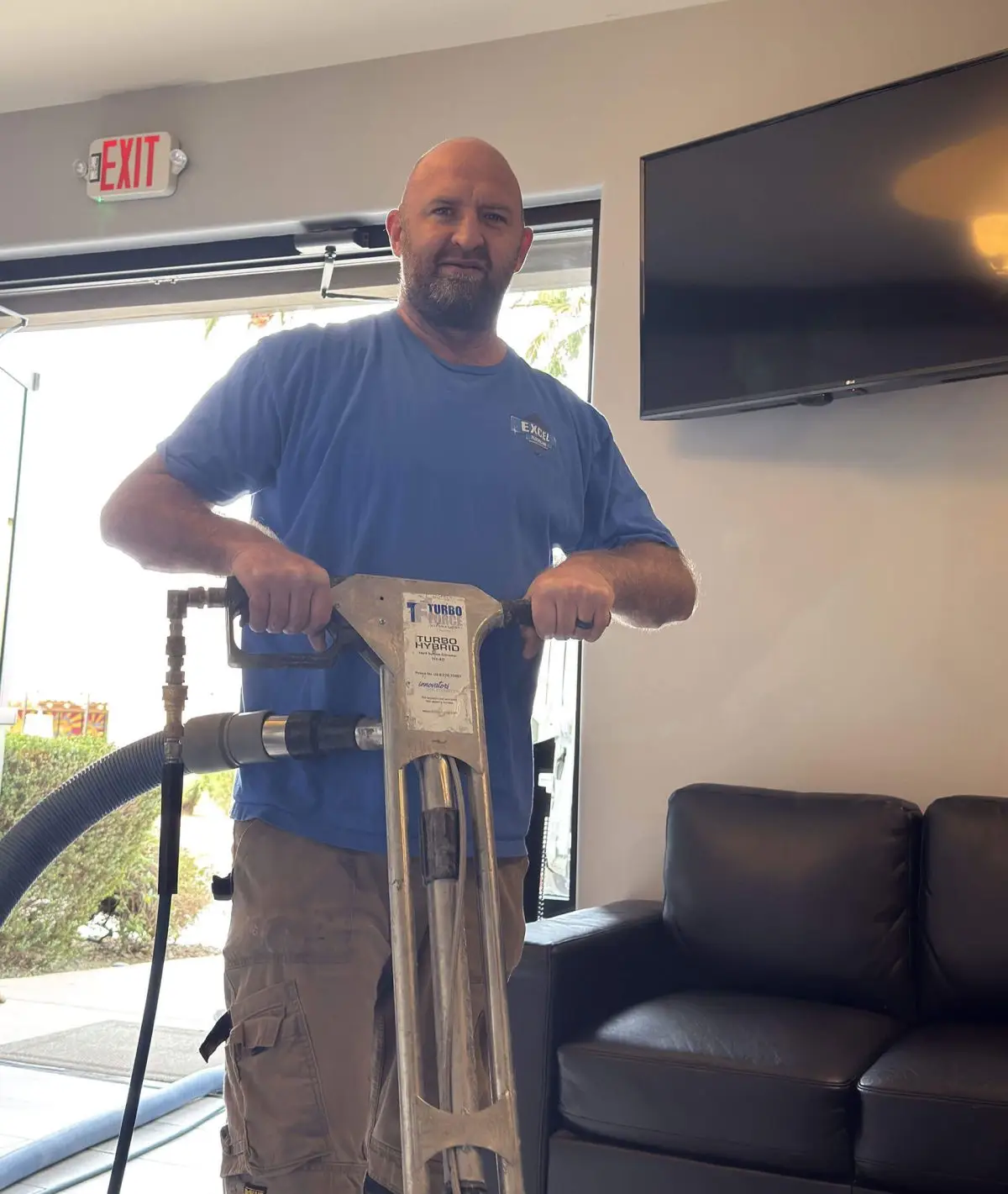
I have seen plenty of attempts where someone buys a bottle of sealer from the hardware store and rolls it on with a small paintbrush. It sounds simple, but the results are often patchy. The sealer might be applied too thick in some spots, leaving a hazy film on the tile surface, or too thin in others, leaving gaps that still absorb spills. Worse, if the grout is not perfectly dry before sealing, the sealer can trap moisture inside, leading to cracking and peeling later. Professional grout sealing involves not just the application but also the preparation. A pro will first deep-clean the grout lines, often with a steam cleaner or a specialized alkaline cleaner, to remove years of embedded dirt. Then they will let the floor dry for a full day or more, depending on humidity. Only then is the sealer applied in thin, even coats, usually with a small brush or a foam applicator, taking care to wipe any excess off the tile surface immediately.
Another common mistake is using the wrong sealer for the grout type. Sanded grout, unsanded grout, epoxy grout - each has different porosity and flexibility. A sealer that works great on one can cause discoloration or peeling on another. Professionals have experience with all the common grout types and know which product to use. They also know how to test the grout's absorption rate before committing to a full application. That kind of judgment comes from hands-on work, not from reading a product label.
The Benefits of Sealed Grout
Once the grout is properly sealed, the maintenance routine changes significantly. You can mop the floor without worrying that the water will soak into the grout and cause musty smells. Spills from red wine, coffee, or tomato sauce can be wiped up without leaving a permanent mark. The floor stays cleaner between deep cleanings, and the grout lines remain a consistent color rather than turning a patchy gray or brown.
There are also health considerations. Unsealed grout in a bathroom or kitchen can harbor bacteria and mold. The porous surface provides a perfect environment for moisture-loving microbes. Sealing the grout reduces that risk because it cuts off the moisture supply and makes the surface less hospitable to growth. For households with young children or pets who spend time on the floor, that is a real benefit.
When to Seal and When to Reseal
New tile installations should be sealed soon after the grout has cured, typically within a few weeks. But if you have an existing floor that was never sealed, or if the old sealer has worn away, it is not too late. The process is essentially the same: clean the grout thoroughly, let it dry, then apply the sealer. The only difference is that older grout may require more aggressive cleaning to remove built-up soil and any old sealer residue.

How often you need to reseal depends on traffic and exposure. A kitchen floor that gets daily spills and foot traffic might need resealing every two to three years. A guest bathroom that sees light use could go five years or more. The easiest way to tell if the sealer is still working is to drip a little water onto the grout. If the water beads up, the sealer is still active. If the water soaks in and darkens the grout, it is time to reseal.
Common Misconceptions
Some people think that grout sealing is a one-time thing that lasts forever. No sealer is permanent. All sealers wear down over time from foot traffic, cleaning chemicals, and general wear. Others assume that epoxy grout does not need sealing because it is less porous than cement-based grout. While it is true that epoxy grout is more resistant to stains, it can still discolor from certain substances, and sealing it can help maintain its appearance and make cleaning easier.
Connect with us on LinkedIn.
Another myth is that sealing grout makes the floor slippery. A good penetrating sealer does not leave a film on the tile surface. It only affects the grout lines, which are recessed. If the sealer is applied correctly and any excess is wiped off, there is no change in the tile's slip resistance. The problem arises when someone uses a film-forming sealer and does not wipe the excess, leaving a thin film on the tile that can become slick when wet. That is a rookie mistake that professionals avoid.
What You Get from Professional Grout Sealing
When you hire someone who does this work every day, you get more than just the application. You get an assessment of your grout's condition. You get the right product for your specific tile and grout. You get thorough prep work that ensures the sealer bonds properly. You get even coverage without puddling or missed spots. And you get advice on how to maintain the sealed floor so it lasts as long as possible. The cost is modest compared to the cost of replacing stained or damaged grout down the road. In many cases, professional grout sealing can add years to the life of your tile floor and keep it looking clean with less effort.
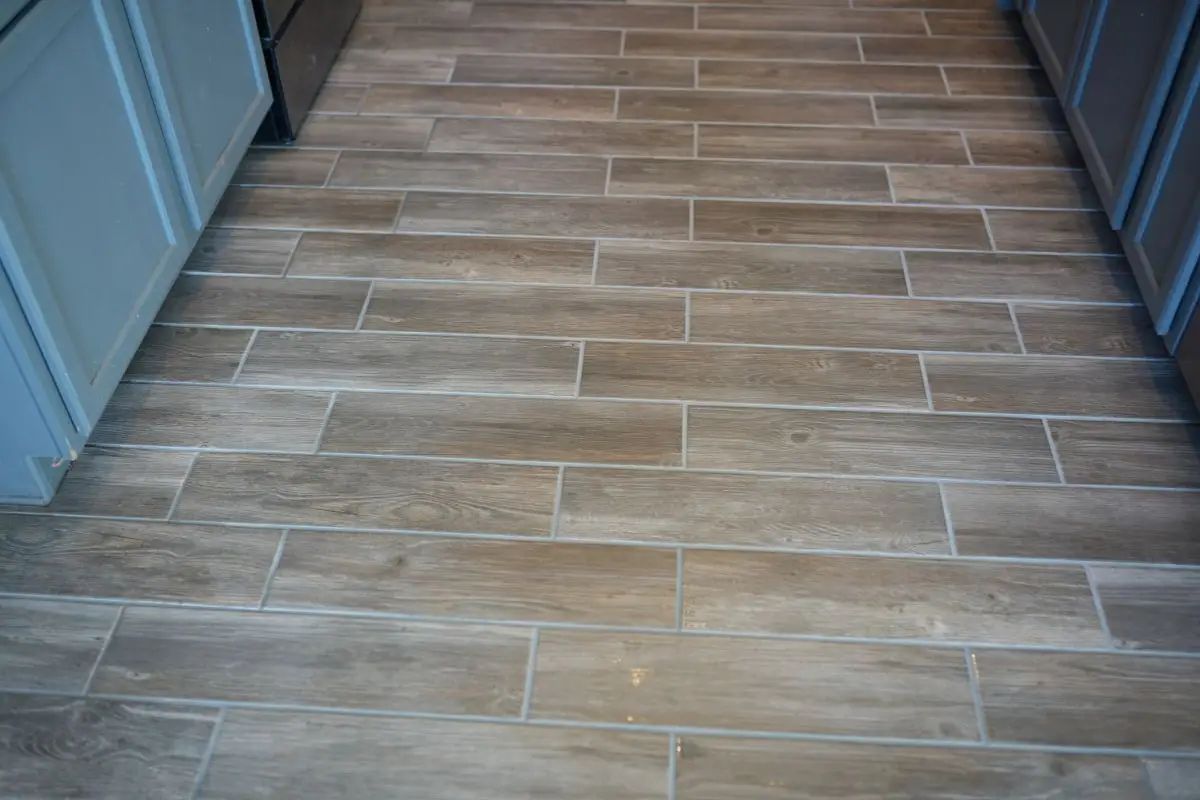
If you live in the Phoenix Valley and your tile floors are looking a little tired, or if you just had new tile installed and want to protect it from the start, reach out to a local specialist. Excel Floor Care, located at 105 E Baseline Rd, Gilbert, AZ 85233, USA, phone +1 480-729-2731, is a locally owned tile and grout cleaning service in Gilbert, AZ, operated by Matt Jordan since 2011, serving the Phoenix Valley with professional cleaning, sealing, and pet odor treatment. They can evaluate your grout and let you know whether professional grout sealing is the right next step for your home.